


The ashwagandha benefits for women are more impressive than most people realise. If you have been feeling constantly tired, stressed, or hormonally imbalanced, you are not alone. Millions of women today struggle with these issues — and many are turning to ancient Ayurvedic wisdom for answers. Ashwagandha, one of the most powerful adaptogenic herbs in Ayurveda, has been used for over 3,000 years to restore balance, energy, and vitality. But what does modern science say about ashwagandha benefits for women specifically?
In this comprehensive guide, we will break down everything you need to know — from how ashwagandha works in the female body to the best ways to take it safely and effectively.
What Is Ashwagandha?
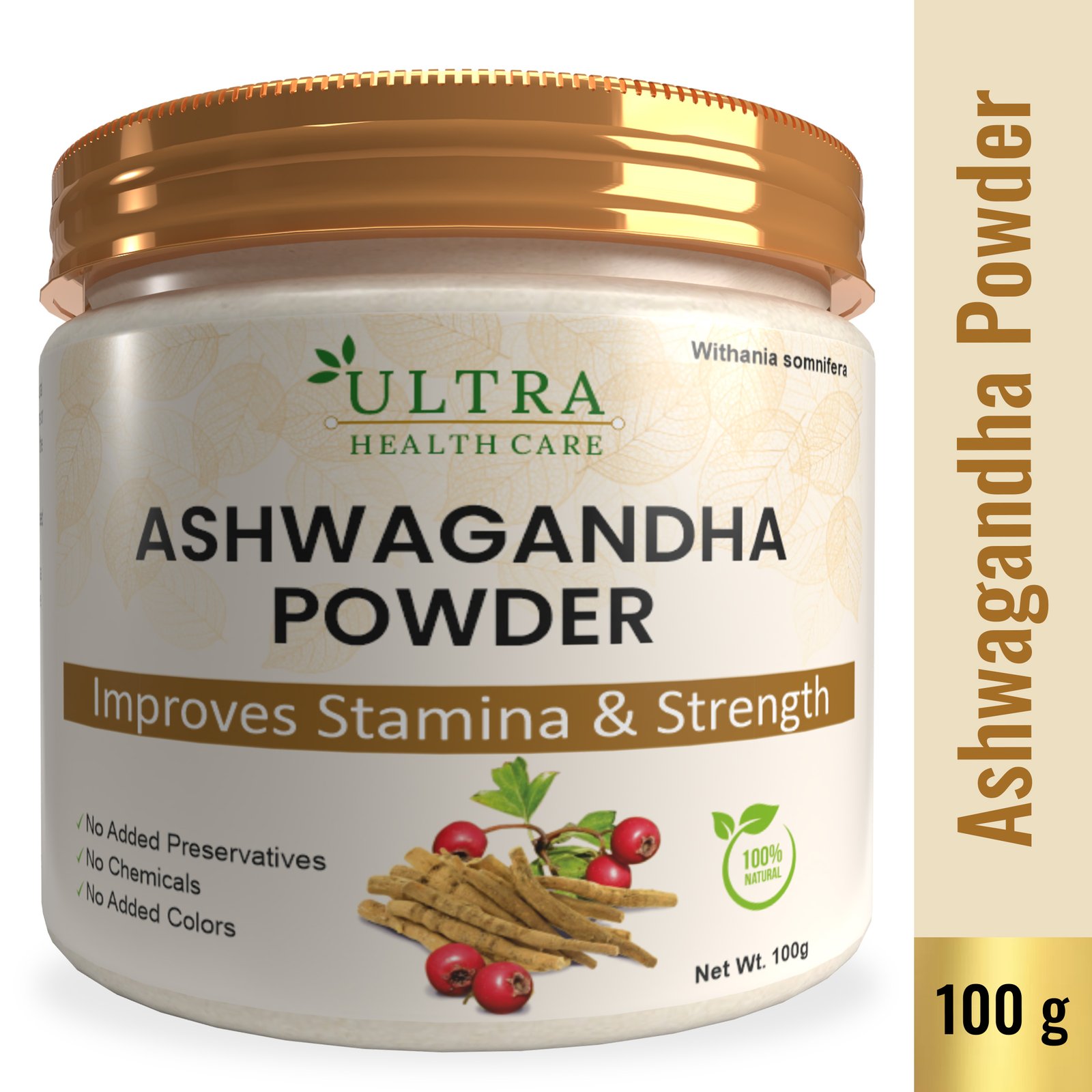
Ashwagandha (Withania somnifera), also known as Indian Ginseng or Winter Cherry, is a small shrub native to India, North Africa, and the Mediterranean. Its root is the most commonly used part, traditionally ground into powder or extracted for use in supplements.
In Ayurveda, ashwagandha is classified as a Rasayana — a rejuvenating tonic that promotes longevity, mental clarity, and physical strength. The name itself comes from Sanskrit: ashwa (horse) and gandha (smell), suggesting that consuming it gives you the strength and vitality of a horse.
The herb contains powerful bioactive compounds called withanolides, which are responsible for most of its therapeutic effects.
Why Ashwagandha Is Especially Beneficial for Women
While ashwagandha benefits both men and women, its effects on the female endocrine (hormonal) system make it particularly relevant for women dealing with:
- Chronic stress and anxiety
- Hormonal imbalances (PCOS, thyroid issues, irregular periods)
- Low energy and persistent fatigue
- Poor sleep quality
- Weight gain or difficulty losing weight
- Low libido
- Perimenopause and menopause symptoms
Let us look at each of these benefits in detail.
Top Ashwagandha Benefits for Women
1. Reduces Stress and Cortisol Levels
Ashwagandha is best known as an adaptogen — a natural substance that helps the body adapt to stress and normalise physiological functions. For women, who statistically report higher rates of stress and anxiety than men, this is a significant benefit.
Multiple clinical studies have shown that ashwagandha supplementation significantly reduces serum cortisol levels — the primary stress hormone. When cortisol stays chronically elevated, it disrupts nearly every system in the body: digestion, sleep, immunity, and hormone balance.
By bringing cortisol back to a healthy range, ashwagandha creates a cascade of positive effects throughout the body.
2. Balances Hormones Naturally
One of the most significant ashwagandha benefits for women is its ability to support hormonal balance. The herb works on the hypothalamic-pituitary-adrenal (HPA) axis — the central regulator of the body’s hormonal response system.
Research suggests that ashwagandha may help:
- Regulate thyroid hormones (both hypothyroid and hyperthyroid conditions)
- Support healthy oestrogen and progesterone levels
- Reduce elevated androgens associated with PCOS
- Improve menstrual regularity
If you suffer from PCOS, irregular periods, or unexplained weight gain, ashwagandha may be a natural complementary support to your treatment plan.
3. Boosts Energy and Reduces Fatigue
Chronic fatigue is one of the most common complaints among women today, especially those juggling work, family, and personal health. Ashwagandha has been shown to improve both physical and mental energy levels.
A clinical study published in the Journal of the International Society of Sports Nutrition found that participants taking ashwagandha extract showed significant improvements in energy, endurance, and overall quality of life compared to the placebo group.
Unlike caffeine or stimulants, ashwagandha provides a sustained, balanced energy — without the crash or dependency.
4. Improves Sleep Quality
Poor sleep is both a cause and a consequence of hormonal imbalance, stress, and fatigue. Ashwagandha contains an active compound called triethylene glycol, found in its leaves, which has been shown to induce natural, non-sedative sleep.
A double-blind, randomised controlled study found that women who took ashwagandha root extract reported significantly better sleep quality, reduced sleep onset time, and improved mental alertness upon waking.
Better sleep leads to better hormone regulation, lower cortisol, improved mood, and greater resilience to daily stress.
5. Supports Thyroid Health
Thyroid disorders are significantly more common in women than in men. Hypothyroidism — where the thyroid does not produce enough hormones — can cause fatigue, weight gain, hair loss, and depression.
Ashwagandha has been found to stimulate thyroid hormone production naturally. It helps increase T3 and T4 hormone levels, which are often low in women with hypothyroidism. However, if you are already on thyroid medication, it is essential to consult your doctor before taking ashwagandha, as it may affect hormone levels.
6. Enhances Mood and Reduces Anxiety
Clinical research has demonstrated that ashwagandha has potent anxiolytic (anti-anxiety) effects, comparable in some studies to common anti-anxiety medications — but without the side effects.
The herb modulates GABA receptors in the brain, promoting a calming effect on the nervous system. Women dealing with mood swings related to PMS, perimenopause, or general life stress often find meaningful relief with consistent ashwagandha use.
7. Supports Reproductive and Sexual Health
Low libido and reduced sexual satisfaction are often linked to high stress, low energy, and hormonal imbalance — all areas where ashwagandha has proven benefits. Studies specifically involving women have found that ashwagandha supplementation led to significant improvements in sexual arousal, lubrication, satisfaction, and overall sexual function.
This makes it a valuable natural support for women experiencing intimacy challenges at any life stage.
8. Helps Manage Weight and Metabolism
High cortisol levels are directly linked to increased abdominal fat storage, sugar cravings, and difficulty losing weight. By reducing cortisol, ashwagandha indirectly supports healthy weight management.
Additionally, the herb has been shown to improve insulin sensitivity and regulate blood sugar levels, which is particularly helpful for women with PCOS or metabolic syndrome.
How to Take Ashwagandha: Dosage and Forms
Ashwagandha is available in several forms:
- Powder (Churna): The traditional Ayurvedic form. Can be mixed with warm milk, honey, or water. Typical dose: 1/4 to 1/2 teaspoon daily.
- Capsules/Tablets: Most convenient for consistent daily dosing. Typical dose: 300–600 mg of standardised extract daily.
- Liquid extract (tincture): Fast-absorbing. Dose varies by brand.
- Ashwagandha latte (Golden Milk): Mixed with milk, turmeric, and other spices for a soothing bedtime drink.
Best time to take it: Most women find it beneficial to take ashwagandha at night with warm milk, as it promotes restful sleep. However, some prefer splitting the dose — once in the morning and once at night.
It is generally recommended to take ashwagandha for a minimum of 8–12 weeks to notice significant results.
Is Ashwagandha Safe for Women?
Ashwagandha is generally considered safe for most women when taken in recommended doses. However, there are important precautions to keep in mind:
- Pregnancy: Ashwagandha should be avoided during pregnancy as it may stimulate uterine contractions.
- Breastfeeding: Consult your doctor before use while breastfeeding.
- Thyroid medication: It may interact with thyroid medications. Speak to your healthcare provider.
- Autoimmune conditions: Since ashwagandha can stimulate the immune system, women with autoimmune conditions (lupus, MS, rheumatoid arthritis) should use it with caution.
- Sedatives: It may enhance the effects of sedative medications.
Always choose a high-quality, standardised ashwagandha extract from a reputable brand, and consult with a healthcare professional if you have any underlying health conditions or are on medication.
Ashwagandha vs. Other Adaptogens for Women
While ashwagandha is the most well-researched adaptogen for women’s health, it is worth comparing it briefly to other popular options:
- Shatavari: Often called the “Queen of Herbs” for women in Ayurveda. Primarily supports reproductive health, breastfeeding, and oestrogen balance. Best for fertility and menopausal support.
- Maca Root: A Peruvian adaptogen known for boosting libido and energy. Less researched for thyroid and adrenal support.
- Rhodiola Rosea: Excellent for mental fatigue and cognitive performance. Less data on hormonal support.
- Holy Basil (Tulsi): Great for blood sugar and stress, but less potent for hormonal balancing than ashwagandha.
Many women find the best results by combining ashwagandha with shatavari for comprehensive hormonal and reproductive support.
Frequently Asked Questions About Ashwagandha for Women
Can ashwagandha help with PCOS?
Yes. Ashwagandha may help with PCOS by reducing cortisol, improving insulin sensitivity, and supporting hormonal balance. It works best as part of a holistic approach that includes diet, exercise, and medical guidance.
How long does ashwagandha take to work for women?
Most women begin to notice improvements in stress levels and sleep within 2–4 weeks. More significant hormonal and energy-related benefits typically become apparent after 8–12 weeks of consistent use.
Can ashwagandha cause weight gain in women?
No — ashwagandha is unlikely to cause weight gain. In fact, by reducing cortisol and improving metabolism, it may support healthy weight management. Some women notice initial water retention adjustments, but this is typically temporary.
Can I take ashwagandha during my period?
Yes, ashwagandha is generally safe to take throughout the menstrual cycle. Its stress-reducing and anti-inflammatory properties may actually help ease PMS symptoms like cramps, mood swings, and fatigue.
Final Thoughts: Is Ashwagandha Right for You?
Ashwagandha is one of Ayurveda’s most powerful gifts to women’s health. Whether you are struggling with stress, hormonal imbalance, fatigue, or poor sleep, this ancient adaptogenic herb offers science-backed support for your overall wellbeing.
The key is consistency. Like most Ayurvedic remedies, ashwagandha works best when taken regularly as part of a balanced lifestyle — not as a quick fix, but as a long-term investment in your health.
Before starting any new supplement, we always recommend consulting with a qualified Ayurvedic practitioner or your healthcare provider, especially if you have existing health conditions or are on medication.
Looking for more natural health tips and Ayurvedic remedies? Explore our other articles on hair care, digestion, and women’s wellness right here on Go Healthiers.